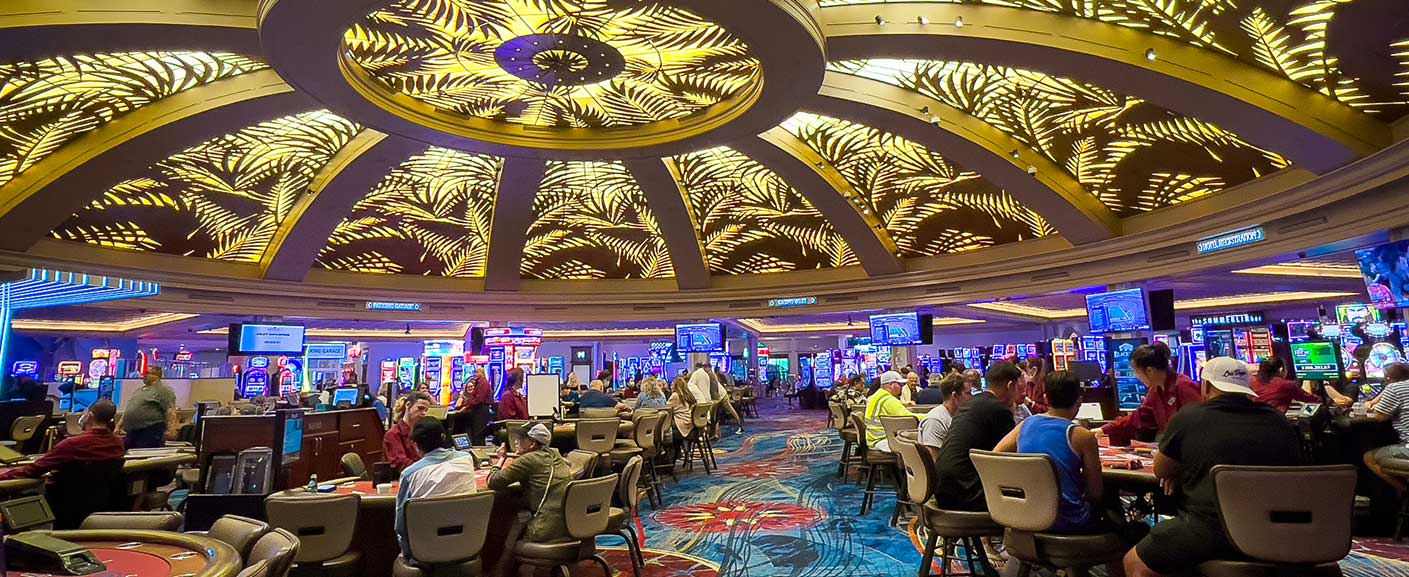
The cultural significance of gambling in modern societies
The historical evolution of gambling
Gambling has a long and intricate history that spans across cultures and epochs. Its origins can be traced back to ancient civilizations, where games of chance often held religious and social significance. In Rome, for instance, dice games were popular among citizens, often intertwined with celebrations and rituals. As societies evolved, so did gambling practices, reflecting changing norms and values. The transition from informal street games to structured betting environments marked the beginning of gambling’s evolution into a significant cultural phenomenon. Additionally, exploring platforms like GooSpin reveals how modern contexts adapt these traditions to new audiences.
Throughout history, gambling has mirrored societal shifts, serving as both a source of entertainment and a means of social interaction. In the Middle Ages, gambling took on new forms with the introduction of card games, becoming an integral part of leisure activities in aristocratic circles. The rise of casinos in the 18th century further cemented gambling’s place in society, as these establishments became synonymous with luxury and opulence. This evolution reveals not only the adaptability of gambling but also its ability to reflect the values of each era.
The modern age has ushered in a new era of gambling, characterized by technological advancements and increased accessibility. The rise of online platforms has transformed how individuals engage with gambling, allowing for participation regardless of geographic location. This shift has not only democratized gambling but has also sparked discussions about its implications, both positive and negative, on society. Understanding the historical context of gambling is crucial in examining its cultural significance today.
Gambling as a form of social bonding
In contemporary society, gambling serves as a powerful vehicle for social interaction. People often gather in casinos, participate in poker nights, or engage in sports betting as a means to connect with others. These activities foster camaraderie and create shared experiences, highlighting the communal aspect of gambling. Whether it’s the excitement of a poker game or the thrill of cheering for a favorite sports team, gambling brings individuals together, reinforcing social ties.
This social bonding extends beyond just entertainment; it can also enhance relationships. Friends and family often partake in gambling activities, facilitating deeper connections through shared risks and triumphs. These experiences can lead to memorable moments that are cherished and recounted long after the games conclude. As such, gambling plays a vital role in building and nurturing relationships, contributing to a sense of belonging in an increasingly digital world.
Moreover, the integration of gambling into cultural events and festivals further illustrates its role in social bonding. Many communities incorporate games of chance into celebrations, reinforcing cultural identity while promoting social cohesion. These instances emphasize how gambling transcends mere chance and becomes a celebratory activity that strengthens community ties and fosters a sense of shared heritage.
The psychological impact of gambling
The psychological effects of gambling are multifaceted, reflecting both the allure and potential consequences of engaging in games of chance. Many individuals are drawn to gambling due to the thrill of risk and the possibility of winning. This excitement activates the brain’s reward system, releasing dopamine and creating feelings of pleasure. As such, gambling can serve as a form of escapism, offering individuals a temporary reprieve from everyday stressors. However, it is essential to consider responsible gaming practices to mitigate potential risks.
However, the psychological allure of gambling can also lead to detrimental outcomes. For some, the thrill can morph into addiction, resulting in financial and emotional turmoil. Problem gambling is a significant concern, impacting individuals and their families. This duality highlights the importance of understanding gambling’s psychological implications and the need for responsible gaming practices. As societies continue to grapple with these issues, promoting awareness and education about the risks associated with gambling is crucial.
Furthermore, recent studies have indicated that gambling can influence mental health beyond addiction. Issues such as anxiety and depression can be exacerbated by gambling behaviors, leading to a complex interplay between gambling and emotional well-being. Addressing these aspects requires a balanced approach that recognizes both the positive and negative psychological impacts of gambling in modern societies.
The economic influence of gambling
Gambling significantly contributes to local and national economies, generating substantial revenue and creating job opportunities. In many regions, casinos and betting establishments are major employers, providing jobs that support local communities. The influx of tourism driven by gambling destinations also stimulates economic growth, as visitors flock to these areas for entertainment. This economic aspect of gambling underscores its importance beyond mere leisure; it plays a vital role in financial ecosystems.
Moreover, governments often capitalize on gambling through taxation, generating funds for public services and infrastructure. The revenue generated can support education, healthcare, and community development projects, illustrating how gambling can have positive ripple effects on society. However, this reliance on gambling revenue also raises questions about sustainability and ethics, particularly concerning the potential for increased gambling-related issues.
As the gambling landscape evolves, so too do its economic implications. The rise of online gambling has shifted traditional revenue streams, presenting both challenges and opportunities. Policymakers must navigate this changing landscape to ensure that the economic benefits of gambling are balanced with responsible regulations that protect individuals and communities from the adverse effects of gambling.

Gambling in the digital age: A new frontier
The advent of the digital age has transformed the landscape of gambling, introducing a new frontier characterized by convenience and accessibility. Online casinos and mobile betting apps have made it possible for individuals to engage with gambling from the comfort of their own homes. This shift has broadened the demographic reach of gambling, appealing to a diverse audience that includes younger generations who prefer digital interactions over traditional venues.
However, the rise of online gambling has also prompted discussions about regulation and responsible gaming practices. With the vast number of platforms available, the potential for issues such as addiction and financial hardship has increased. It has become imperative for both industry stakeholders and policymakers to implement measures that promote safe gambling environments. This includes providing resources for responsible gaming and ensuring that players are aware of the risks involved.
Websites like GooSpin exemplify the fusion of technology and gambling, catering to players in specific regions like Australia with tailored experiences. These platforms not only offer a wide array of games but also prioritize user experience and responsible gaming. As the industry evolves, understanding the significance of online gambling in modern culture will be essential in shaping future practices and regulations, ensuring that the benefits of this digital frontier are enjoyed by all.