
Understanding the psychology of gambling and its impact on player behavior
The Allure of Gambling
The psychology of gambling is deeply rooted in the human experience, blending excitement, risk, and reward. Many individuals are drawn to gambling due to its thrilling nature and the potential for substantial monetary gains. This allure is often amplified by the environment of casinos, where bright lights, vibrant sounds, and the promise of winning money create an atmosphere that is hard to resist. As players engage, they may experience a rush of adrenaline, which can further enhance their desire to participate. In this dynamic setting, many traders explore opportunities through platforms like quotex pro, adding another layer to the gambling experience.

Moreover, the social aspects of gambling cannot be overlooked. Many people enjoy gambling as a form of entertainment, often participating with friends or family. This social interaction can lead to a sense of community and belonging, making the experience even more appealing. The combination of excitement, social engagement, and the possibility of winning creates a compelling draw for many players.
Behavioral Patterns in Gambling
Understanding player behavior is crucial in exploring the psychology of gambling. Gamblers often exhibit specific behavioral patterns influenced by cognitive biases, such as the illusion of control and the gambler’s fallacy. The illusion of control occurs when players believe they can influence the outcome of a game, leading them to take risks they might otherwise avoid. This belief can fuel persistent gambling behavior, as players may chase losses in an attempt to regain their perceived control.
Additionally, the gambler’s fallacy leads individuals to believe that past outcomes influence future results. For example, if a particular slot machine has not paid out for some time, a player might think it is “due” for a win, prompting them to continue playing. These cognitive biases can significantly impact a player’s decision-making process and contribute to compulsive gambling habits.
The Role of Emotion in Gambling Decisions
Emotions play a critical role in shaping gambling behavior. Players often experience a range of emotions, from euphoria when winning to frustration and despair when losing. These emotional highs and lows can lead to impulsive decisions that may not align with a player’s financial interests. For instance, a player on a winning streak may choose to wager larger amounts, feeling invincible, while a player experiencing losses may resort to “loss chasing,” hoping to recover their money.
Furthermore, the relationship between emotions and gambling can lead to problematic behavior. Some individuals may use gambling as a coping mechanism to escape stress or anxiety, which can spiral into a destructive cycle. Recognizing the emotional triggers behind gambling can help individuals address their behaviors and make more informed decisions.
The Impact of Environment and Marketing
The environment in which gambling takes place has a profound impact on player behavior. Casinos are designed to maximize engagement, using sensory elements to create an immersive experience. This careful design not only attracts players but also encourages them to stay longer and gamble more. Marketing strategies often highlight big wins and glamorous lifestyles, reinforcing the idea that gambling can lead to significant rewards.
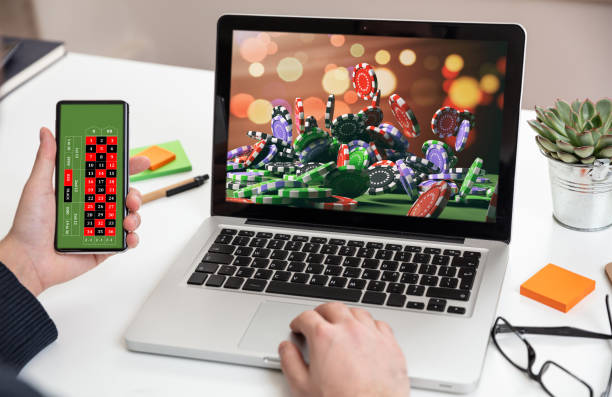
Moreover, the advent of online gambling has transformed the landscape, making it more accessible than ever. The ability to gamble from the comfort of home, coupled with targeted advertising, has contributed to an increase in participation, particularly among vulnerable populations. Understanding these environmental and marketing influences is essential for addressing gambling behavior and promoting responsible gaming practices.
Resources for Responsible Gambling
As awareness of the psychological factors influencing gambling grows, resources for responsible gambling have become increasingly important. Numerous organizations and websites offer support, information, and tools to help individuals manage their gambling behaviors. These resources can provide valuable insights into recognizing the signs of problem gambling and finding effective strategies for moderation.
For those seeking to understand their gambling habits better or needing assistance, exploring these resources can be a vital step. Engaging with professional support networks and utilizing self-help tools can empower individuals to make informed choices and promote healthier gambling behaviors.