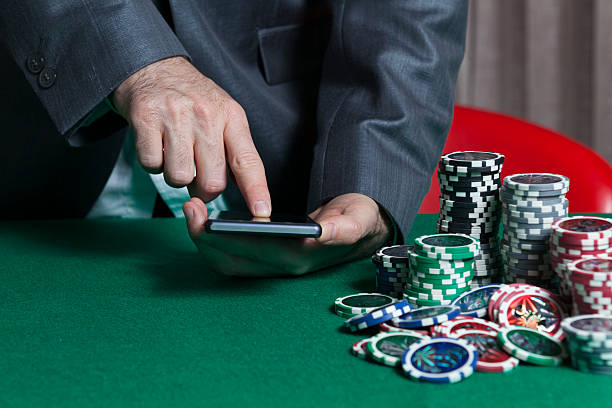
Understanding gambling addiction signs, symptoms, and support options
Recognizing the Signs of Gambling Addiction
Gambling addiction can manifest in various ways, making it crucial to recognize the signs early. Individuals may experience an overwhelming urge to gamble, often prioritizing gambling over essential responsibilities like work and family. This compulsive behavior can lead to severe financial problems, which may further exacerbate feelings of stress and anxiety. For those looking to explore options, https://thewaitingroom.co.nz/ provides helpful resources to assist in understanding gambling better.

Another significant sign is the inability to stop gambling despite negative consequences. Many individuals will chase losses, believing they can win back what they have lost. This cycle can create a dangerous environment where the person continues to gamble, often leading to a downward spiral of debt and emotional distress.
Common Symptoms of Gambling Addiction
The symptoms of gambling addiction can be both emotional and physical. Emotionally, individuals may feel irritable, anxious, or depressed when not gambling. This emotional turmoil can be accompanied by a sense of isolation as they begin to withdraw from friends and family due to their gambling habits. Advanced strategies can help mitigate these feelings and guide individuals towards healthier choices.
Physically, the stress of gambling can manifest in various ways, including insomnia, headaches, and changes in appetite. It is essential to be aware of these symptoms, as they can serve as indicators that an individual may require professional help.
The Impact of Gambling Addiction on Relationships
Gambling addiction can have a profound impact on personal relationships. Trust is often broken when one partner hides their gambling activities or fails to communicate honestly about financial matters. This secrecy can lead to significant conflict and emotional distance between partners.
Moreover, family members may feel the strain of financial instability and emotional neglect, resulting in a breakdown of communication. The need for support and understanding becomes increasingly vital as the addiction takes its toll on relationships, highlighting the importance of addressing the issue collectively.
Finding Support and Treatment Options
Recognizing the need for help is the first step towards recovery. Various treatment options are available for those struggling with gambling addiction, ranging from therapy and support groups to medication. Cognitive-behavioral therapy is particularly effective, helping individuals understand their behaviors and develop healthier coping strategies.
Support groups, such as Gamblers Anonymous, provide a vital community for individuals looking to share their experiences and learn from others who have faced similar challenges. These programs offer not only emotional support but also practical strategies for managing urges and avoiding triggers.

Resources for Responsible Gambling Practices
Understanding the importance of responsible gambling is essential for maintaining a healthy approach to gaming. Many resources are available online to educate players about safe gambling habits and to promote awareness of the risks associated with gambling addiction. These resources often include guides on setting limits and recognizing early signs of problematic behavior.
By prioritizing education and support, individuals can make informed choices about their gambling habits, ensuring a safer and more enjoyable experience. Whether you are seeking help for yourself or a loved one, reaching out to available resources is a crucial step in addressing gambling addiction.