The Enticing Allure of Chance
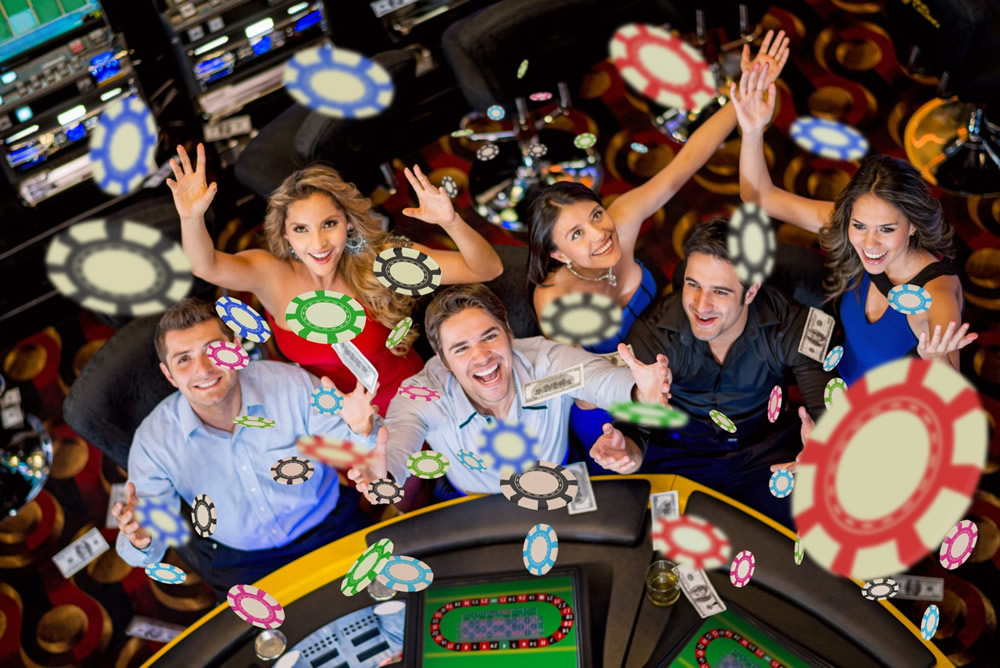
The thrill of chance is one of the primary psychological factors that attract players to casino games. The unpredictable nature of outcomes, paired with the potential for significant rewards, creates a sense of excitement that is hard to resist. Players often find themselves drawn into the experience by the anticipation of winning, which can lead to an adrenaline rush. This emotional arousal heightens the overall experience and can make individuals feel more alive and engaged in the moment. In many cases, the popularity of such activities, including sports betting canada , has contributed to the growth of the gaming industry, highlighting how deeply intertwined these elements are. The very act of placing a bet can trigger a release of dopamine in the brain, reinforcing the cycle of excitement and desire to continue playing.
The allure of chance is further amplified by the concept of near misses. When players come close to winning, such as by spinning the reels on a slot machine and landing just one symbol away from a jackpot, their brain’s reward center activates. This phenomenon can create a powerful urge to continue playing, as players may believe they are on the brink of a win. Near misses activate a psychological response that is similar to winning, encouraging players to keep investing their time and money in hopes of achieving that elusive jackpot. Such psychological triggers can lead to a cycle of repeated play, where the excitement of ‘almost winning’ fuels further gambling.
Moreover, casinos capitalize on this psychological attraction by designing games that elicit strong emotional responses. They utilize bright lights, engaging sounds, and immersive environments to create an atmosphere that heightens excitement. The combination of sensory stimulation and the thrill of chance keeps players invested, making it easy for them to lose track of time and money in pursuit of that elusive victory. The carefully crafted environments in casinos are designed not just for aesthetics but to create a psychological state conducive to prolonged play, drawing players deeper into the gaming experience.
The Role of Cognitive Biases
Cognitive biases play a significant role in gambling behavior, often skewing a player’s perception of their chances of winning. One common bias is the illusion of control, wherein players believe they can influence outcomes based on their decisions or strategies. This often appears in games like blackjack or poker, where skill is involved. Players may misinterpret their success as a sign of skill rather than luck, fostering a greater desire to gamble. Such biases can lead players to adopt irrational strategies, convinced that they can outsmart the game, ultimately resulting in more significant losses.
The gambler’s fallacy is another pervasive cognitive bias, causing individuals to believe that future outcomes are influenced by past events. For example, a player might think that a specific roulette number is ‘due’ to come up after a streak of losses. This fallacy can lead to illogical decision-making, driving players to continue betting in the hopes of reversing perceived patterns, which ultimately perpetuates the cycle of gambling. The misinterpretation of probabilities can skew judgment, making players overconfident in their chances of winning.

These cognitive biases are often exploited by casinos through game design and marketing. By reinforcing notions of skill and highlighting streaks of wins or losses, casinos can manipulate player expectations and behavior. For instance, promotional materials may emphasize big wins while downplaying losses, creating a skewed perception of the overall experience. This not only encourages continued play but also normalizes the losses that are an inevitable part of gambling, further embedding the experience within the psychological framework of the players.
The Social Aspect of Gambling
The social environment of casinos plays a crucial role in shaping the gambling experience. Many individuals are drawn to the communal atmosphere that gambling establishments provide, where social interaction complements the thrill of the games. Friends or family members often encourage one another to participate, creating a shared experience that enhances engagement. This social reinforcement can make individuals feel more comfortable and accepted in their gambling pursuits, as they share both the highs of winning and the lows of losing together.
Furthermore, the presence of other players can influence behavior and decision-making. In a crowded casino, witnessing others win can create a sense of excitement and possibility, leading to increased betting and heightened engagement. The collective energy in a casino, fueled by cheers and celebrations, can create an intoxicating atmosphere that draws players deeper into the experience. Conversely, seeing others lose might embolden a player to take risks, believing that their own luck might differ. This dynamic interplay among players can amplify the emotional highs and lows associated with gambling.
Additionally, the connection between gambling and celebrations or milestones, such as birthdays or promotions, adds to its social significance. Casinos often become venues for social gatherings, where the excitement of the games is intertwined with personal celebrations. This combination of social interaction and gambling can create lasting memories but also foster a reliance on gambling for social enjoyment, potentially leading to problematic behaviors. The blending of social and gambling experiences can deepen the psychological attachment to gaming, making it challenging for individuals to separate the two.
Addiction and Psychological Implications
Understanding the psychology behind casino games is essential, particularly due to the risk of addiction. The mechanisms of reward and reinforcement associated with gambling can lead some individuals to develop compulsive behaviors. The pleasure derived from wins, combined with the emotional escape from stress that gambling can provide, may lead players to chase losses, further entrenching them in a cycle of addiction. The highs of winning can become a driving force, overshadowing the risks and consequences of gambling.

Research shows that certain personality traits, such as impulsivity and thrill-seeking, may predispose individuals to gambling addiction. The excitement of taking risks and the potential for high rewards can be particularly alluring to these individuals. Unfortunately, the consequences of gambling addiction can extend beyond the individual, affecting families and communities, and leading to financial ruin and emotional distress. Understanding these dynamics is crucial for identifying at-risk individuals and providing appropriate support.
To mitigate these psychological implications, many casinos implement responsible gaming initiatives. These programs aim to promote awareness of gambling-related risks and provide resources for those struggling with addiction. By fostering a culture of responsibility, casinos can help ensure that individuals enjoy gaming safely while understanding the psychological factors at play in their behavior. Such initiatives may include offering self-exclusion programs, providing educational materials, and promoting healthy gambling practices to minimize the risk of addiction.
Understanding the Gaming Experience: Our Website
Our website is dedicated to providing insightful content about the psychology of gambling and the nuances of casino games. By exploring various psychological aspects, we aim to help readers gain a deeper understanding of their gaming experiences and the factors that influence their behavior. We believe that knowledge is key to fostering responsible enjoyment of casino games. Through comprehensive research and expert opinions, we strive to create a resource that not only informs but empowers our audience.
We feature expert articles, research findings, and practical tips to navigate the complex world of gambling. Our goal is to empower players to make informed decisions while enjoying the thrill of casino games. By sharing valuable insights into the psychology behind gambling, we hope to contribute positively to the community and encourage a healthier approach to gaming. Engaging with our content can help players recognize the psychological triggers at play and develop strategies to enhance their gaming experience responsibly.
Join us as we delve into the fascinating interplay of psychology and casino gaming, enriching your experience and understanding of this captivating world. Whether you are a casual player or a seasoned gambler, our content is designed to enhance your awareness of the psychological elements at play and promote a mindful approach to gaming. Together, we can foster a community that values both the excitement of gaming and the importance of responsible play.